
SMART CHARGING OF TRANSPORT VEHICLES ON-SITE
Charging hubs for transport, even where the grid is at capacity
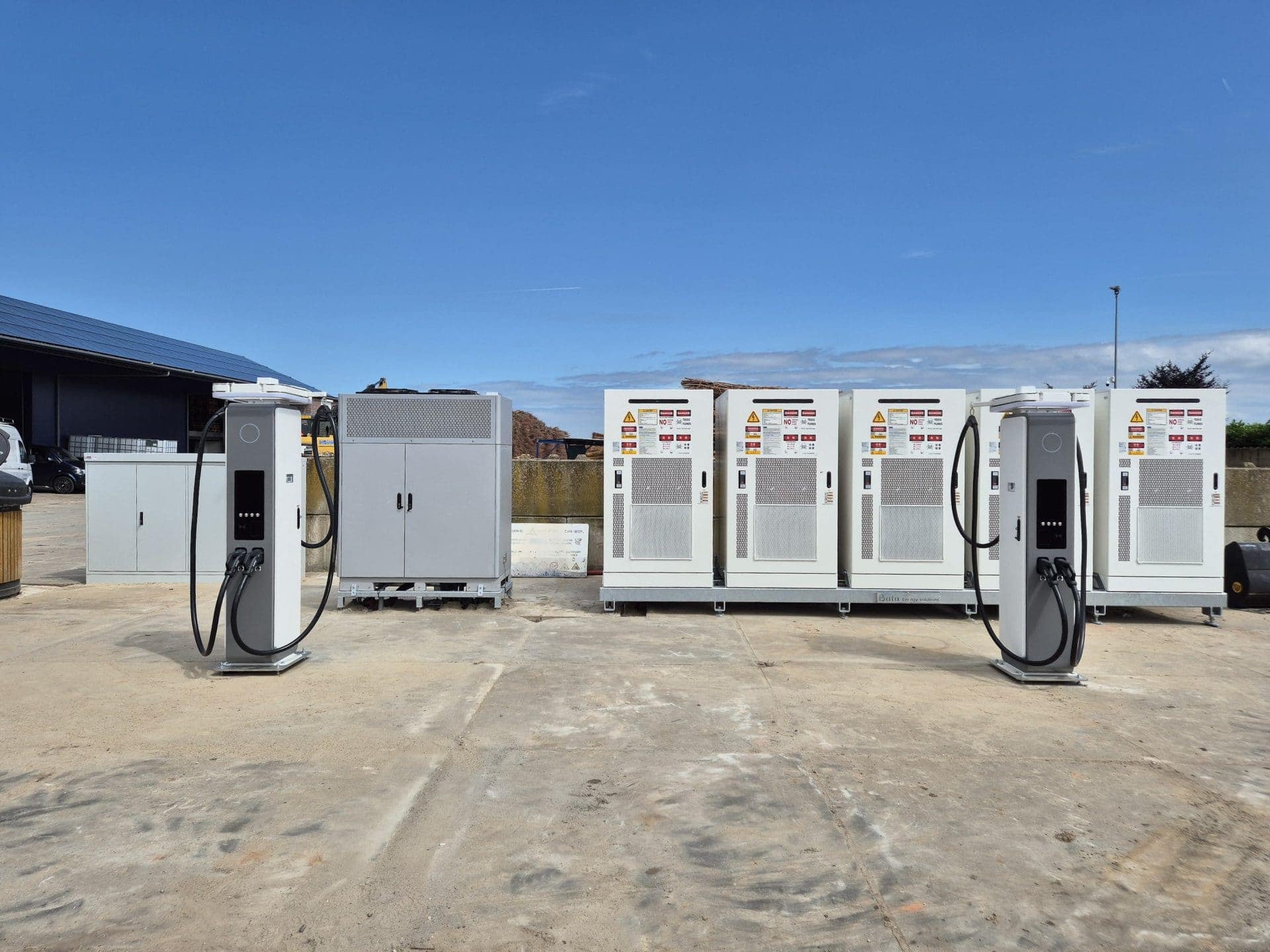
Bata designs, builds, and manages charging hubs for electric trucks. With smart charging and battery storage, you can extract more power from your existing grid connection.
Electric driving has become a calculation
The additional cost of an electric truck is earned back through mileage. Two factors make the difference, and together they add up. The more kilometers you drive, the faster the truck pays for itself.
SUBSIDIES
Stacking is permitted
You can stack subsidies for the charger and the battery, tax deductions for the whole system, and a return per charged kWh. Bata handles the applications as part of the project.
|
SPRILA for the charger |
up to €88,000 per charging point |
|
SPRILA for the battery |
€85 per kWh |
|
EIA for the investment |
40% extra deduction |
|
AanZET for the truck |
up to €115,200 per truck |
ERE
Every kWh generates EREs
Fossil fuel suppliers must reduce the CO₂ emissions of their energy. If they fail, they purchase emission reduction units (EREs) from those who do save CO₂, such as a charging hub, even if it is behind a private fence. Bata manages the measurement, registration, and administration.
ON GRID POWER
+ €0.10
per charged kWh
ON OWN SOLAR POWER
+ €0.20
per charged kWh

GRID CONNECTION
Your connection is not your ceiling
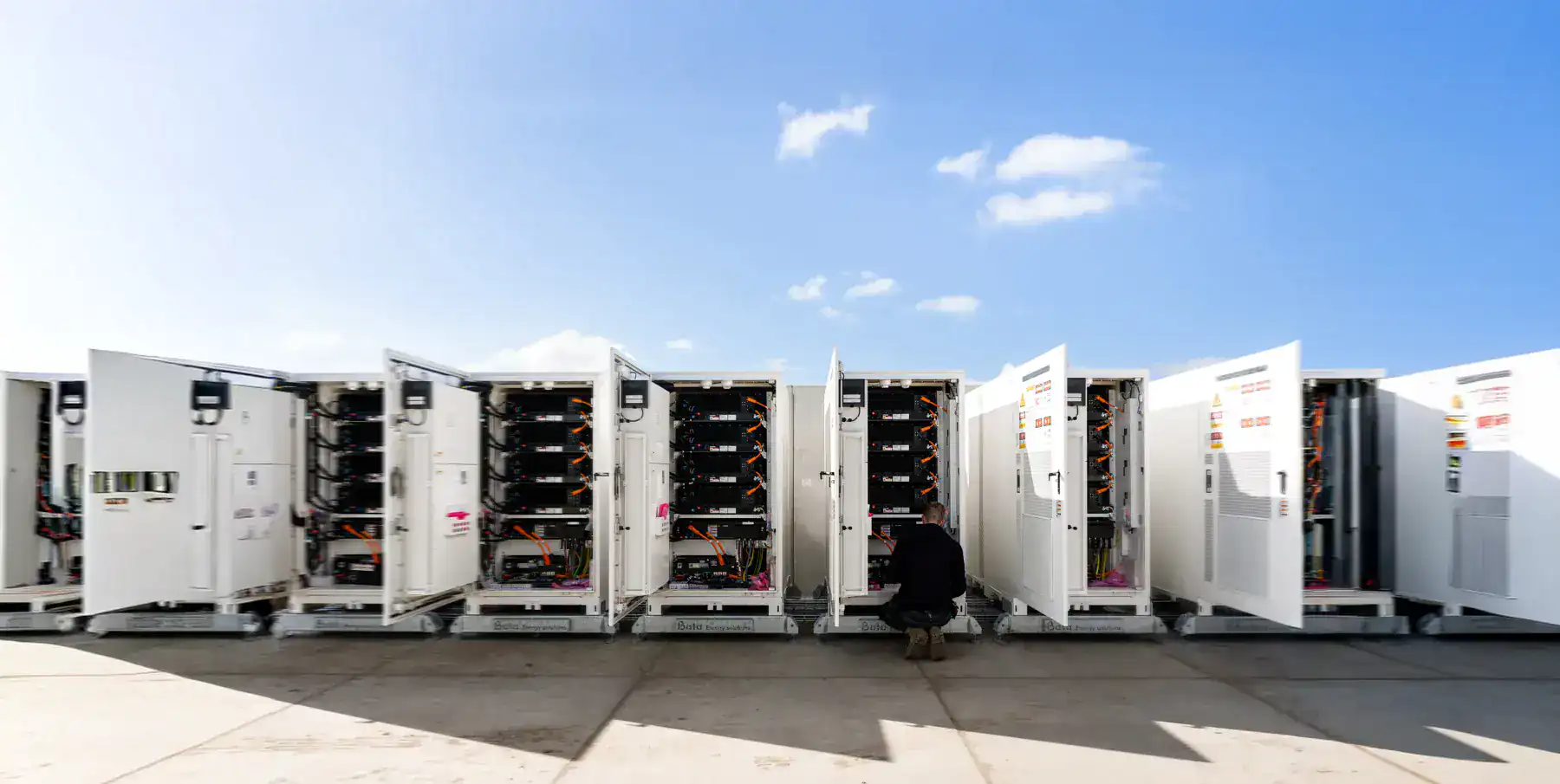
Waiting for a heavier connection can easily take years. With a battery and a flexible contract, you relieve the grid during peak hours, which is why the grid operator gives you priority.
WITHOUT BATTERY
3 to 7
years waiting for grid capacity
WITH BATTERY
18 to 30
months until grid connection
THE CHARGING HUB
Four components, one system
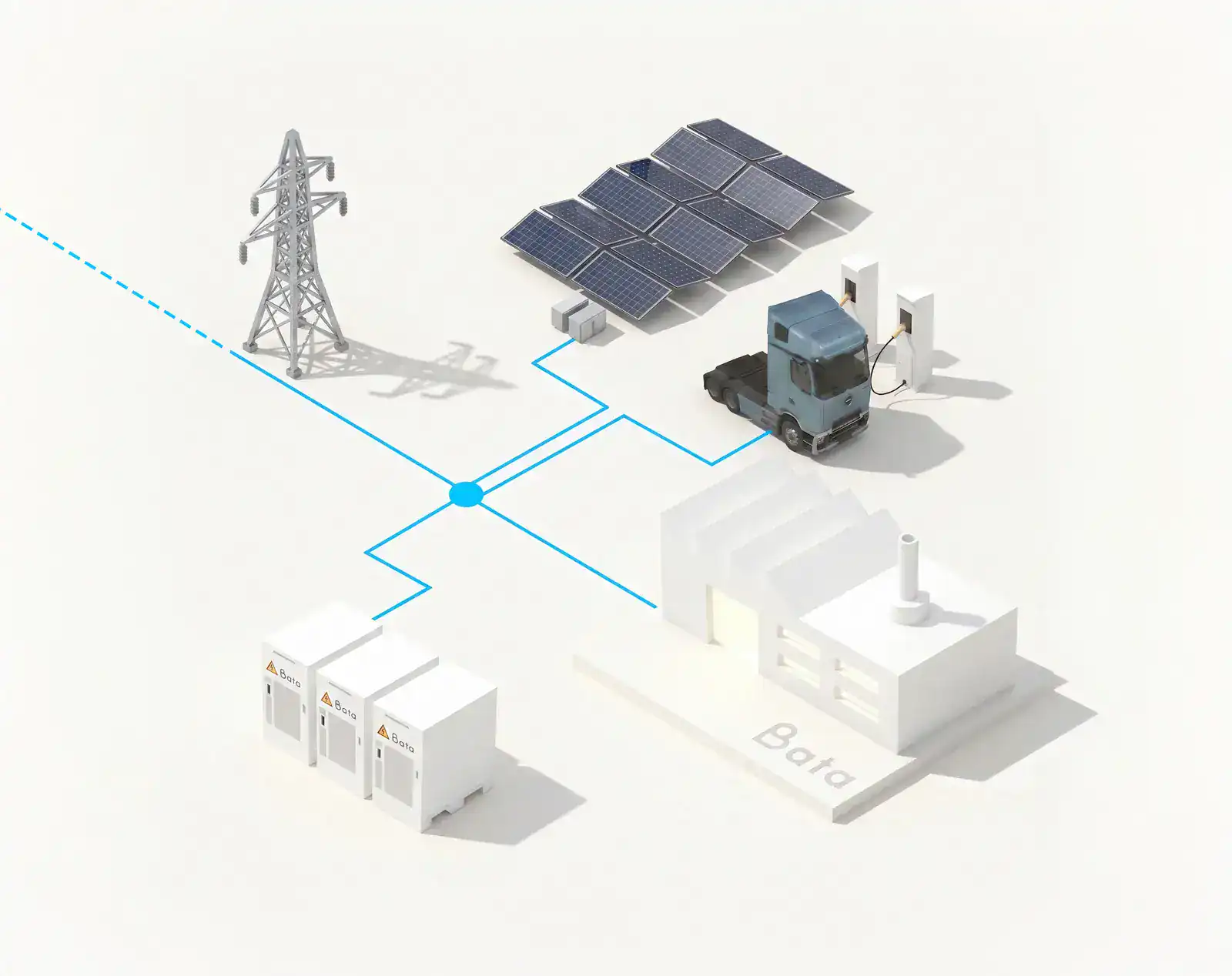
A charging hub that runs solely on grid power is more expensive and vulnerable than necessary. Bata designs solar, battery, control systems, and chargers as a single integrated unit.
01
Solar panels
During the day, the surplus goes to the battery or directly to the trucks.
02
Battery storage
The battery stores daytime generation for the night and absorbs the peak.
03
Energy management
The EMS manages based on departure times and strictly limits power to the contract capacity.
04
Charging points
A central power cabinet distributes power to the points requesting electricity.
TRANSPORT
Why choose
Bata Energy Solutions
Single point of contact
Grid application, design, construction, monitoring, and maintenance by one team.
One system
Battery, solar panels, chargers, and controls designed as a whole, and expandable as your fleet grows.
The upfront calculation
Costs per kilometer, subsidies, and ERE revenue for your own fleet, before you invest.
Demonstrably green charging
Your own solar power counts 100 percent toward ERE registration and doubles the revenue per kWh.
COMPLETED ENERGY SOLUTIONS
Charging hubs for heavy transport
HUISSEN
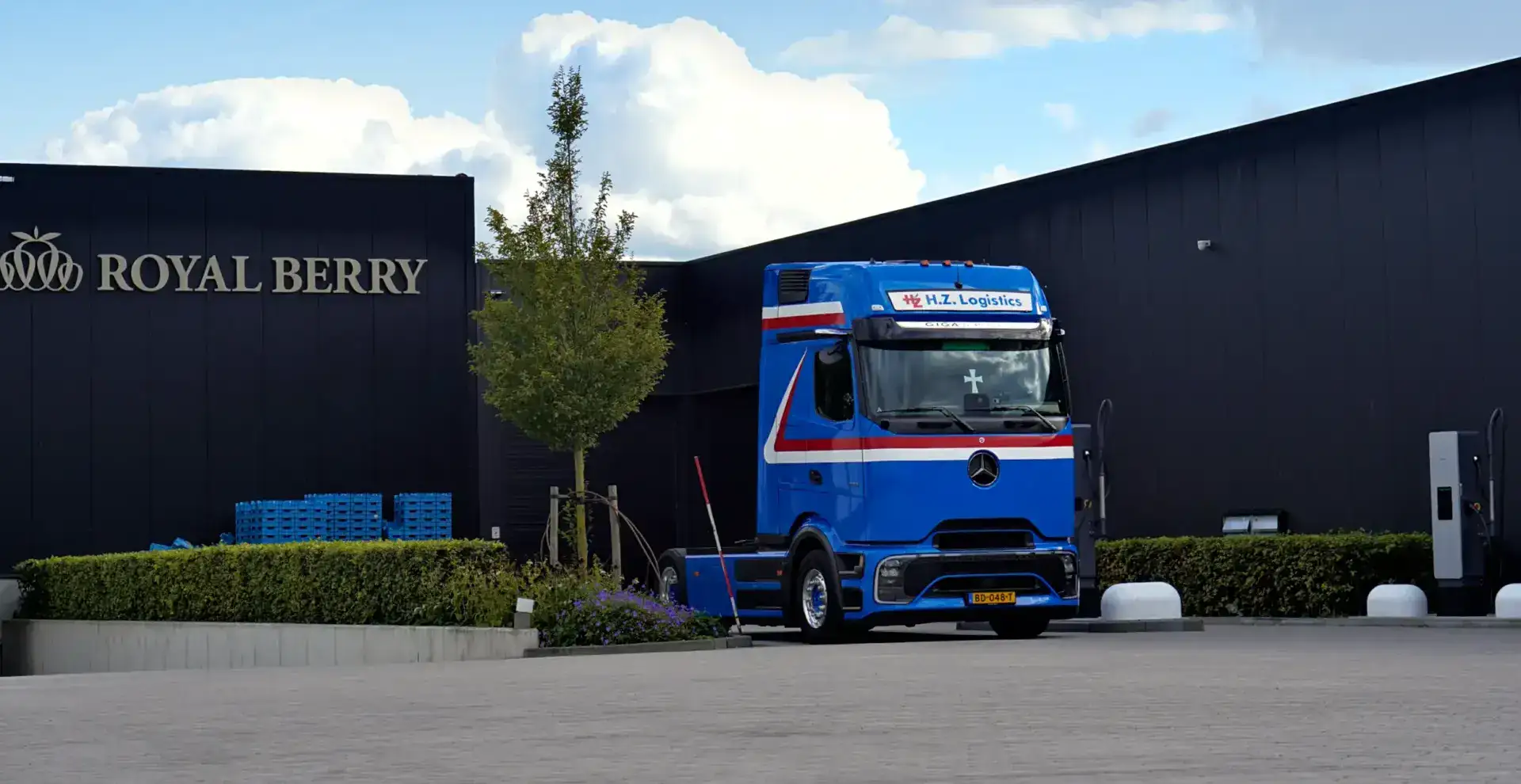
Royal Berry Customer Story
At Royal Berry in Huissen, Bata integrates solar panels on the steel roof, 5 MWh of battery storage, and two power units feeding four DC charging points for heavy transport. Because generation, storage, and charging are managed together, the grid peak remains flat, providing room to grow without requesting additional transport capacity.
HOW WE WORK
Five phases, one point of contact
The most difficult part of a charging depot is not the charging station, but everything behind it. Bata handles it all, with single-source responsibility.
Phase 01
The application
We discuss the location, fleet, and connection, and perform an immediate grid check.
01
Phase 02
The energy profile
We translate route patterns and charging windows into power and energy requirements per day.
02
Phase 03
Design
We design the charging points, battery, solar, and EMS, including grid design and the business case.
03
Phase 04
Subsidies and permits
We handle the grid application, subsidies, environmental permits, and fire safety.
04
Phase 05
Realization
We build, coordinate the connection, and commission the hub after inspection.
05
After completion
Management
We monitor the hub via the EMS, provide maintenance under an SLA, and handle ERE administration.
+

BROCHURE
The charging hub in one brochure
Everything you need to know before building a charging hub: the market, the grid connection, the system, and projects already in operation.
Frequently Asked Questions
The questions transport entrepreneurs and their advisors ask us most often, in the order they arise during decision-making. If your question is not listed, please contact Bart Maandag.
PERSONAL ADVICE
Your charging hub calculated
No quotation process taking weeks. With five pieces of data about your location and your fleet, Bart creates a system design, a cost price per kilometer, and a subsidy route.
The charging scan, five fields
|
1 |
Where the charging hub will be located |
|
2 |
Number of trucks now and in the future |
|
3 |
Mileage per truck per year |
|
4 |
When the trucks are idle |
|
5 |
Capacity of the current connection |
Bart Maandag
Business Developer Charging Hubs